August 31, 2026
As a homeowner, understanding residential fuel service is crucial not only for maintaining comfort but also for managing costs and environmental impacts effectively. Residential fuel service ensures a reliable supply of energy required to heat homes, especially during colder months. The choices homeowners make regarding fuel types, delivery methods, and service providers can significantly affect their overall budget and carbon footprint. With the increasing emphasis on sustainability, homeowners need to balance efficiency with environmental considerations. This guide explores various aspects of residential fuel service, providing key insights that every homeowner should be aware of.
Understanding Residential Fuel Types
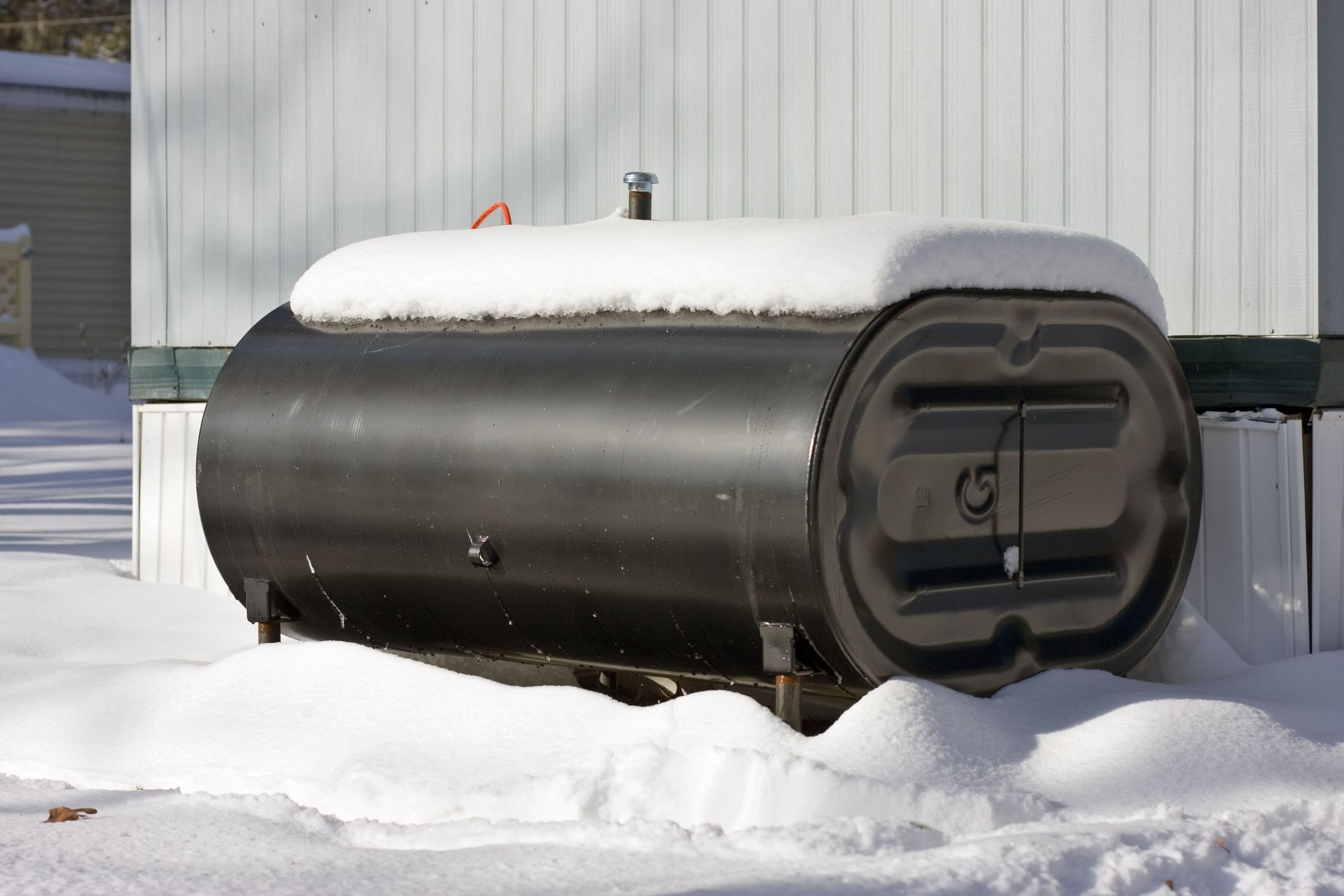
Heating oil is a traditional fuel choice for many households, particularly in regions where natural gas infrastructure is limited. Its dense energy content provides significant heating power, making it a reliable source during the winter months. According to the National Council on Energy, 4.25% of households in the U.S. use heating oil for their residential heat. The benefits of heating oil include its availability and affordability compared to electric heating, especially in rural areas. Despite these advantages, homeowners must consider the environmental impact, as heating oil combustion contributes to carbon emissions.
Natural gas is widely regarded as an efficient and cleaner-burning alternative to other fossil fuels. Its consistent supply through pipelines makes it a convenient option for homeowners in urban and suburban areas. The efficiency of natural gas appliances, particularly in heating systems, reduces average household energy costs. Moreover, its cleaner-burning properties help reduce greenhouse gas emissions, aligning with environmental goals. However, volatility in natural gas prices can affect budgeting, necessitating a well-planned procurement strategy.
Propane, a byproduct of natural gas processing and petroleum refining, offers versatility for residential fuel needs. This fuel is particularly favored in rural areas not connected to natural gas grids, as it can be stored in large tanks on the property. Homeowners appreciate propane for its reliability during power outages and its suitability for various uses, including cooking, heating, and hot water. Proper storage and maintenance are crucial, as mishandling can pose safety risks. With advancements in storage solutions reducing these risks, propane continues to be a popular residential choice.
Electricity represents a growing trend in residential heating, largely due to its convenience and the shift towards cleaner energy. Modern electric heating systems, such as heat pumps, offer significant efficiency gains compared to older models. However, the investment and operational costs remain higher than traditional fuels, challenging some homeowners' budgets. Despite these challenges, the potential for integrating renewable electricity sources, such as solar or wind, has driven interest in electric heating solutions. As the grid becomes increasingly renewable, electricity's role in residential heating continues to expand.
Assessing Fuel Delivery Options
Scheduled delivery is an option wherein fuel is delivered at regular intervals, ensuring a constant supply without the need for frequent homeowner monitoring. This method offers peace of mind, as homeowners can rely on uninterrupted fuel availability during peak seasons. Service providers often use historical consumption data to predict refueling needs, minimizing the risk of running out. Moreover, whether domestic or commercial, these services can help manage fuel stocks effectively, especially in extreme weather conditions. However, there may be an upfront commitment required for scheduled deliveries, although it offers consistent convenience.
On-demand delivery offers flexibility for homeowners who prefer to control their fuel purchases as needed. This method suits those who have fluctuating fuel usage or a tight budget, allowing them to order precisely when their tanks are low. While it empowers homeowners with control over purchase timing, it also places the risk of running out of fuel during high-demand periods. Price fluctuations can also impact costs, as on-demand deliveries might coincide with higher market prices. Despite these challenges, the autonomy and tailored purchasing can be beneficial for those managing complex schedules and expenses.
Automatic delivery leverages technology to ensure timely refueling without homeowner intervention. This system often employs predictive analytics to estimate consumption patterns and schedule deliveries accordingly. The seamless nature of automatic deliveries reduces the stress of monitoring fuel levels, especially beneficial for absentee homeowners. Furthermore, automatic delivery can be integrated with IoT devices that provide real-time tank monitoring and alerts. Although initial setup and subscription may introduce added costs, the hassle-free experience and convenience often outweigh these considerations.
Evaluating Fuel Pricing and Contracts
Fixed and variable pricing plans offer distinct benefits and challenges to homeowners managing heating costs. Fixed-price contracts guarantee a specific rate throughout the contract term, providing stability in budgeting. This option is advantageous in volatile markets where price spikes are unpredictable. Conversely, variable pricing follows current market rates, which can sometimes lead to lower costs but also exposes homeowners to unexpected increases. The decision between fixed and variable pricing should consider risk tolerance and market conditions, ensuring the choice aligns with financial goals.
Budget plans and pre-payments allow homeowners to manage fuel expenses more predictably by spreading costs evenly over months or paying upfront. These options cater to those who prefer a structured billing cycle with fewer fluctuations. Budget plans break annual costs into consistent monthly payments, while pre-payment plans offer potential discounts for paying in advance. While pre-payments may involve financial outlay upfront, the savings from price incentives can be substantial. Understanding the terms and evaluating personal cash flow can guide the decision-making process for these options.
Before committing to a fuel service provider, homeowners must understand the contract terms. Key elements include the duration of the agreement, cancellation policies, and any associated fees. Contracts should outline the responsibilities of both parties, including delivery schedules and payment due dates. Homeowners must also be aware of clauses related to automatic renewals or price changes. Reading the fine print ensures that there are no surprising terms that might affect service continuity or financial planning.
Ensuring Energy Efficiency and Sustainability
Upgrading to more efficient heating systems presents an opportunity to conserve fuel and reduce utility bills. Modern systems, such as high-efficiency furnaces or boilers, utilize less energy while providing adequate warmth. Investing in such upgrades can yield long-term financial savings, offsetting the initial cost. Some regions offer rebates or incentives for energy-efficient appliances, making the transition more affordable. Regular assessments and consultations from heating professionals can identify opportunities where upgrades might be most beneficial.
Proper home insulation plays a critical role in minimizing energy loss, directly impacting fuel consumption. Effective insulation reduces heat escape, ensuring that heating systems operate optimally and reduce resource input. Homeowners often overlook drafts and leaks, which contribute significantly to fuel waste. Investing in proper insulation, weather stripping, and sealing exteriors can significantly improve energy efficiency. It represents an upfront investment that can drastically lower long-term heating expenses and carbon footprints.
Smart thermostats are a technological innovation that enhances energy optimization and fuel usage management. These devices allow precision control of heating schedules based on real-time data, adapting to occupancy patterns and preferences. Homeowners can reduce waste by programming temperatures to decrease when the home is unoccupied. Besides energy savings, smart thermostats often provide insights through detailed usage reports, allowing for informed energy management decisions. Their value is further enhanced when integrated with automation systems, further streamlining home heating efficiency.
Being informed about residential fuel services enables homeowners to make well-rounded decisions that support economic stability and environmental responsibility. By understanding the types of fuels, delivery methods, pricing structures, and future trends, homeowners can optimize energy consumption and manage costs effectively. Incorporating fuel efficiency measures and exploring renewable options further enhances sustainability efforts and aligns with evolving consumer preferences. Staying informed about safety regulations and technological advancements ensures safety and service continuity, fostering a responsible approach to home fuel usage. With informed decisions, homeowners can improve their living standards while contributing to broader environmental goals. For more information about residential fuel service, contact Corbin Fuel Co Inc today.