July 30, 2026
Deciding where to place your heating oil tank is a major decision that impacts your home's comfort, efficiency, and long-term maintenance needs. Whether you are building a new property, updating an old heating system, or replacing an aging tank, choosing between an indoor and outdoor setup comes down to your space, climate, and personal preferences. Both options have distinct advantages and trade-offs. Partnering with a reliable heating oil company makes it easy to evaluate your property and choose the ideal placement for your home. In this guide, we break down the pros and cons of indoor and outdoor heating oil tanks so you can make an informed choice for your household.
Harsh Winter Weather Protection
One of the biggest advantages of placing a heating oil tank inside your basement or utility space is total protection from the elements. Outdoor tanks are constantly exposed to freezing temperatures, snow accumulation, heavy rain, and harsh winds. In extreme cold, heating oil stored outdoors can thicken or gel, which blocks fuel lines and disrupts your system when you need heat the most. An indoor tank stays warm year-round, ensuring smooth fuel flow and steady efficiency. When you order from your local heating oil company, you can rest assured that your indoor system will process the delivered fuel smoothly, regardless of how cold it gets outside.
Equipment Lifespan and Minimal Corrosion
Because indoor tanks are sheltered from snow, rain, and humidity fluctuations, they generally suffer far less exterior wear and tear than outdoor models. Rain and ice can cause outdoor steel tanks to rust over time, eventually leading to structural weakness or leaks. Indoors, moisture levels are much lower, and temperatures remain relatively stable, dramatically reducing the risk of exterior rust. This controlled indoor environment helps preserve the tank's structural integrity and prevents premature degradation. Routine checkups by a professional heating oil company will keep your indoor system running safely for decades, saving you money on early replacements and unexpected repairs.
Indoor Space Considerations and Structural Requirements
While indoor tanks offer great protection, they do require dedicated square footage inside your home. A typical 275-gallon tank takes up a noticeable amount of space in a basement, garage, or utility closet, which might otherwise be used for storage or living areas. Additionally, structural support is essential. According to the International Association of Certified Home Inspectors, a full 275-gallon heating oil tank weighs more than 2,000 pounds, so it needs strong legs and a sturdy foundation. Before installation, a certified heating oil company will inspect your floor structure to ensure it can safely support this weight over time.
Odor Control and Accessibility Concerns
Modern heating oil tanks are built with excellent seals and vent pipes to prevent fuel smells from entering your living space. However, during refilling or routine maintenance, faint odors can occasionally linger if ventilation is poor. Ensuring adequate air circulation in the surrounding area helps quickly dissipate any temporary fumes and maintains healthy indoor air quality. Additionally, installers must ensure clear access paths so technicians can safely maneuver around the tank during inspections. Choosing an experienced heating oil company ensures that your indoor tank is fitted with proper vent lines and fill pipes, keeping your living area fresh and fully compliant with safety codes.
Yard Space Preservation and Home Exterior Aesthetics
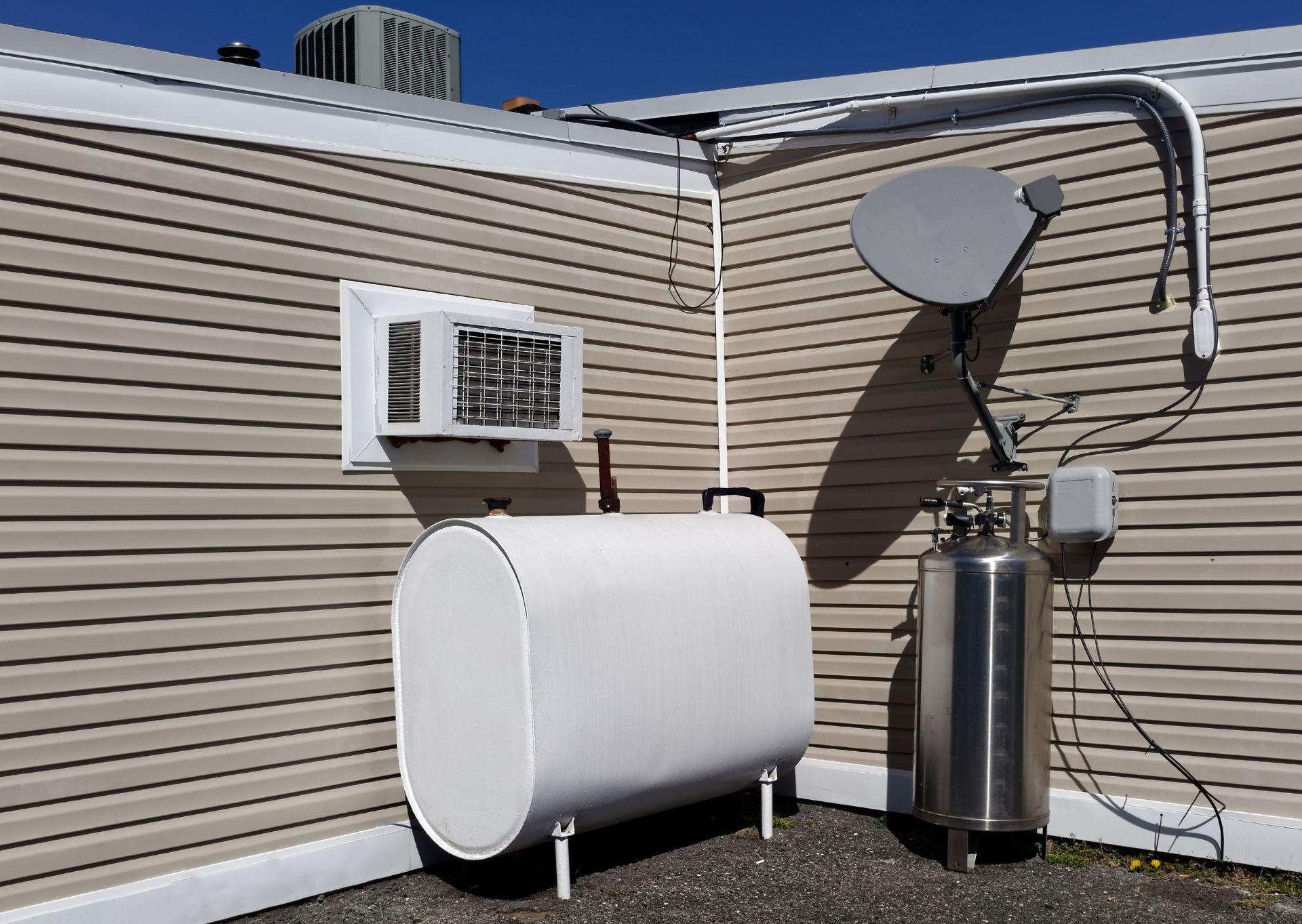
For homeowners who value curb appeal and pristine landscaping, an indoor tank is often the preferred choice. Outdoor tanks are large, metallic, and difficult to hide without extensive fencing or decorative enclosures. Placed indoors, the tank remains completely out of sight from neighbors and visitors, preserving the clean look of your lawn and garden. When your heating oil company arrives for routine deliveries, they can seamlessly connect to an exterior fill pipe while keeping the bulk of the equipment tucked away out of sight.
Upfront Installation Costs and Outdoor Tanks
Placing a heating oil tank outdoors is often simpler and less expensive upfront compared to indoor setups. Outdoor installations do not require navigating tight stairwells, doorway clearances, or basement hallways, which can streamline the setup process for professional technicians. If your basement lacks adequate entry room or floor strength, an outdoor tank provides an accessible alternative. A quick consultation with a full-service heating oil company will help determine if an outdoor layout fits your property layout and budget.
Delivery Access and Exterior Servicing
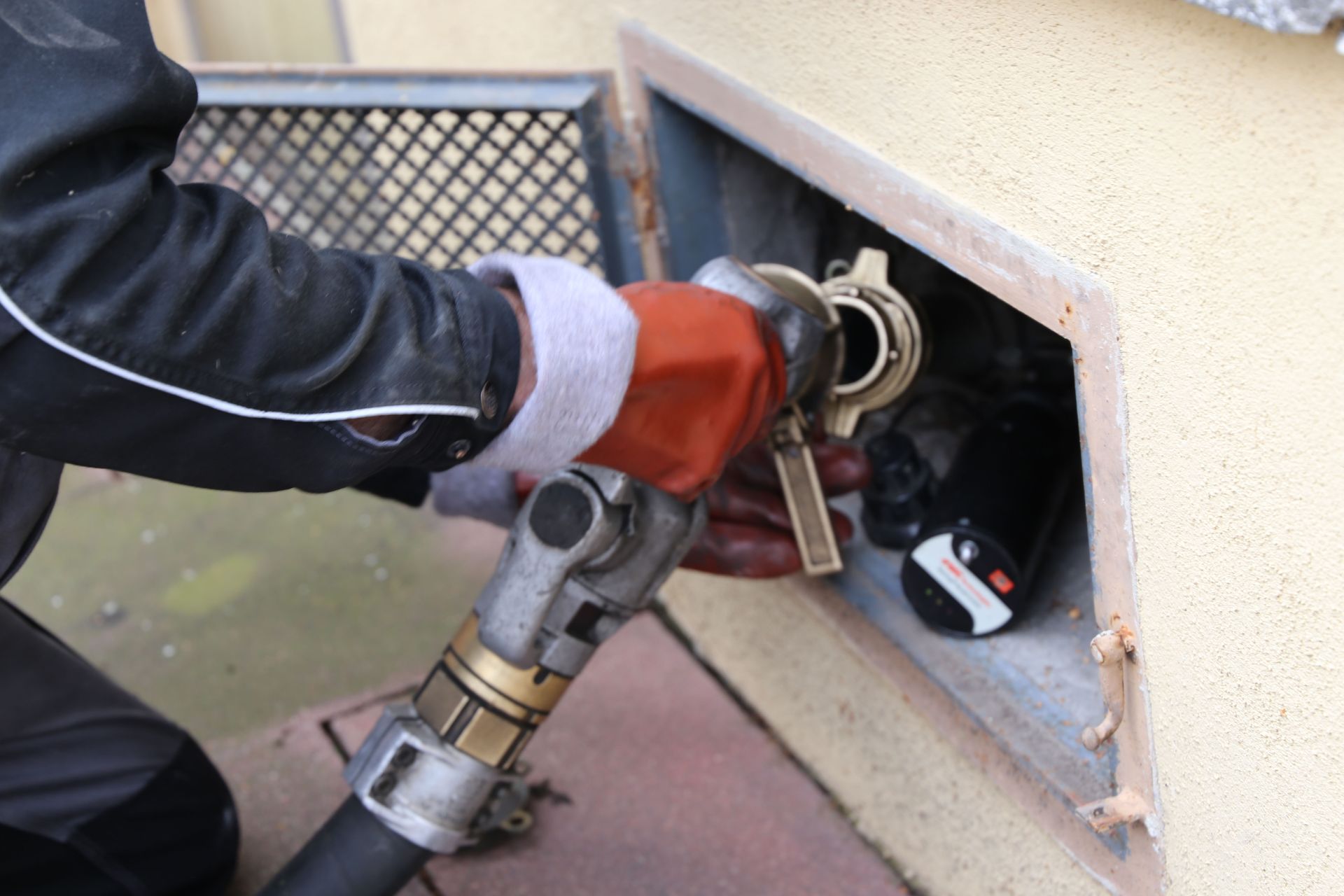
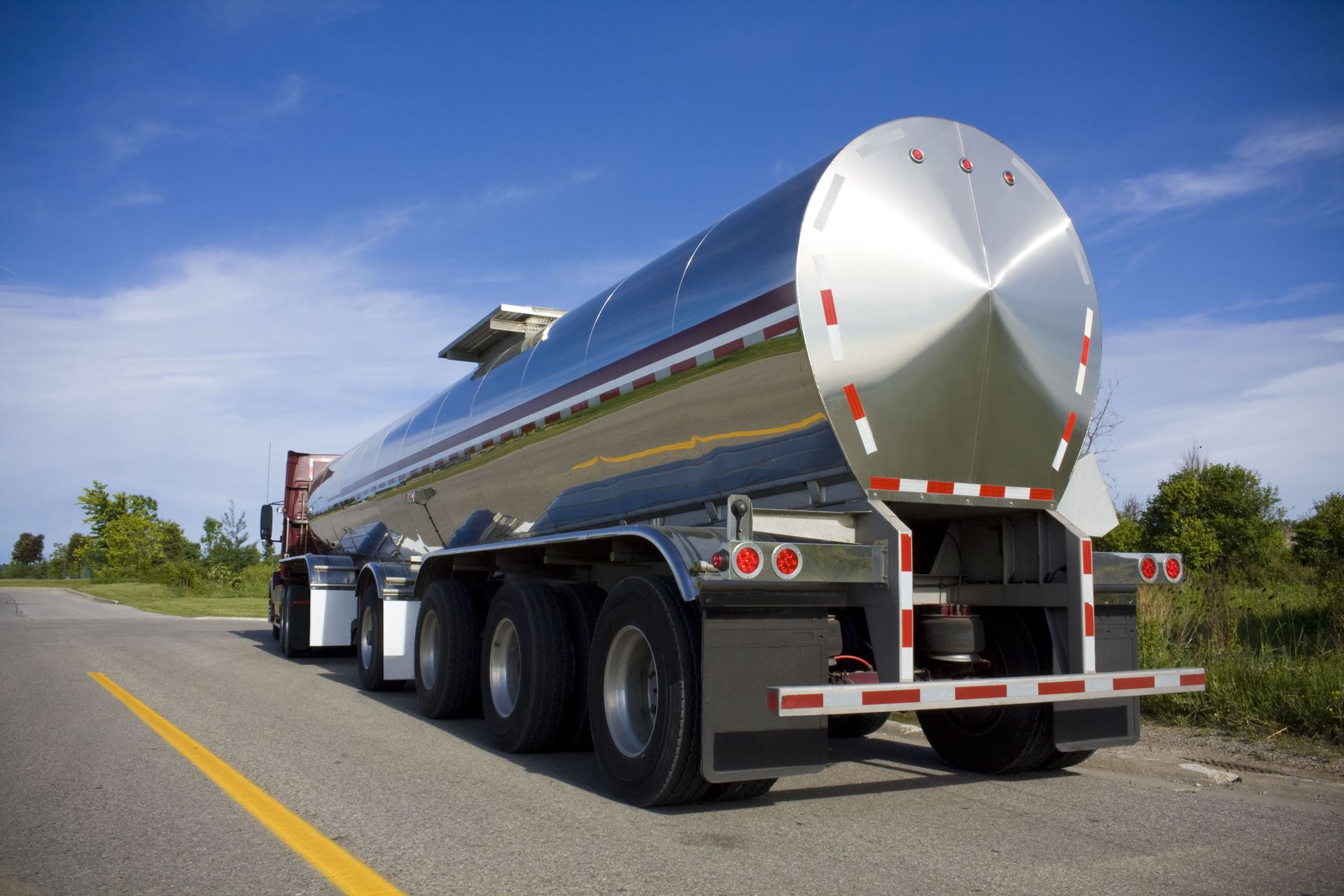
Outdoor tanks offer exceptional accessibility for delivery drivers and service personnel. Fuel delivery trucks can pull up close to the tank, making the fill-up process fast and straightforward. Technicians can also conduct routine inspections and basic maintenance without needing entry into your home, offering added convenience for busy homeowners. Working with a dependable heating oil company ensures timely outdoor deliveries and thorough checkups throughout the colder seasons without disrupting your household's daily schedule.
Fuel Gelling Risks and Cold Climates
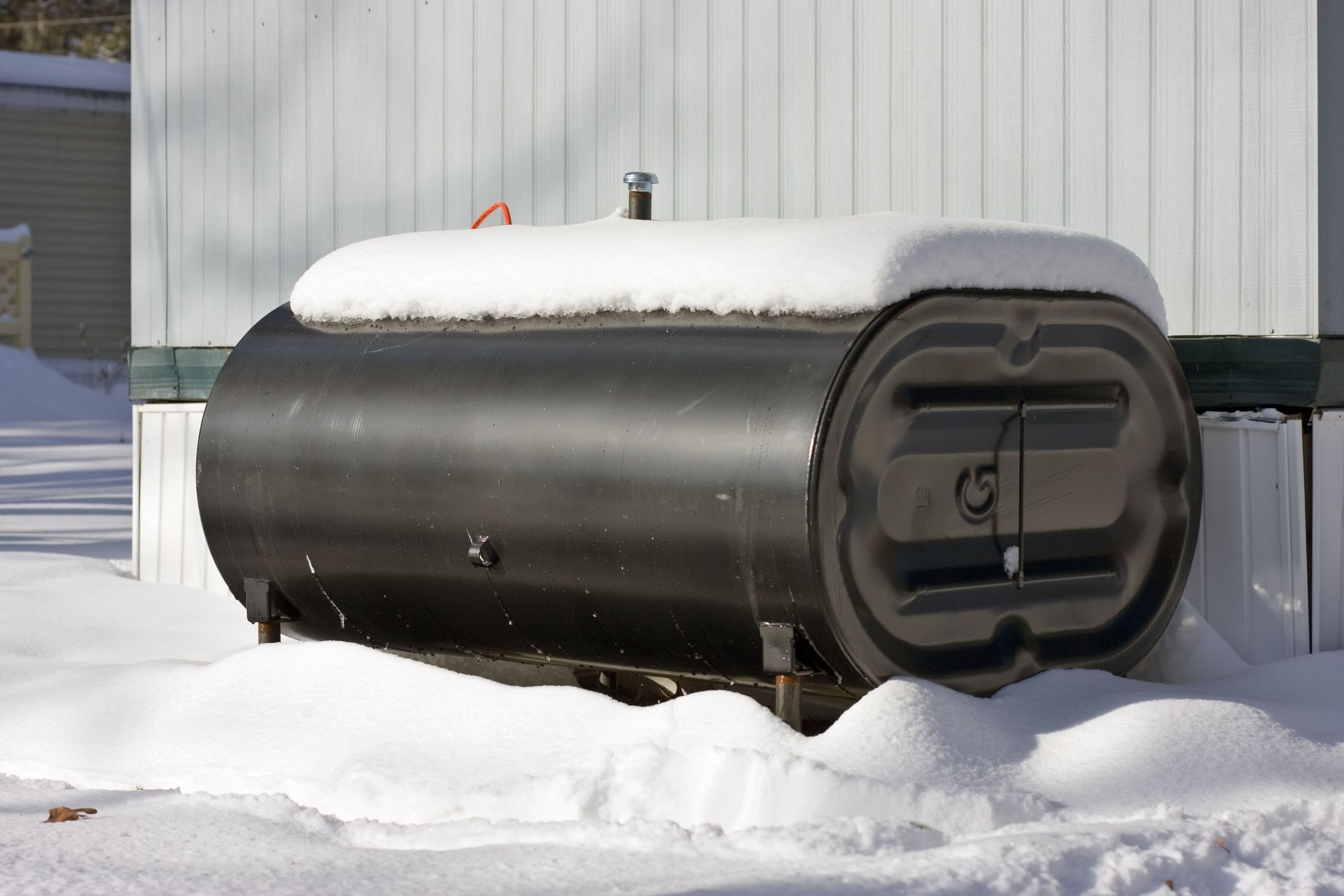
The primary drawback of an outdoor heating oil tank is its exposure to freezing temperatures. When temperatures drop significantly, standard fuel oil can experience gelling, where wax crystals separate and clog the oil line or filter. This gelling process can starve your system of fuel, leading to sudden heating outages during the coldest days of the year. To prevent fuel flow issues during winter storms, your delivery provider can supply treated fuel additives or install insulated tank covers and heat tracing cables. Communicating regularly with your heating oil company ensures your outdoor tank receives winterized fuel blends designed to withstand severe cold snaps.
Environmental Exposure and Rust Prevention
Outdoor tanks face constant exposure to rain, UV rays, snow, and ice, all of which accelerate exterior wear. Over time, moisture accumulation can lead to rust spots, while UV exposure degrades paint finishes. Rainwater can also collect around the fill cap if it is not properly secured, leading to internal moisture accumulation. Unchecked corrosion can compromise the structural integrity of the metal, potentially resulting in dangerous fuel leaks. Applying protective exterior coatings can add an extra layer of defense against these relentless elements. Scheduling regular multi-point inspections with a certified heating oil company helps catch minor surface rust and seal wear early, keeping your outdoor system safe and reliable for years to come.
Correct Tank Size and Setup for Your Household
Whether you choose an indoor or outdoor location, selecting the proper tank capacity is essential for managing your winter heating needs. A standard 275-gallon tank suits most single-family residences, but larger homes or properties in remote locations may benefit from larger storage capacities to minimize delivery frequency. Sizing your system properly ensures you maintain an adequate fuel buffer during severe winter weather spikes. A knowledgeable heating oil company can calculate your annual fuel consumption, evaluate your property layout, and recommend the ideal tank configuration to match your family's heating demands.
Both indoor and outdoor heating oil tanks offer distinct advantages depending on your home's layout, budget, and local weather conditions. Indoor tanks excel at protecting fuel from freezing and extending equipment life, while outdoor tanks save valuable indoor space and offer quick exterior servicing access. To make the most of your heating system, rely on trained professionals to handle all installation, inspection, and maintenance needs. Ready to upgrade or service your fuel storage system? Contact Corbin Fuel Co Inc today to schedule a consultation with our experienced team and keep your home warm and efficient all winter long.