October 1, 2026
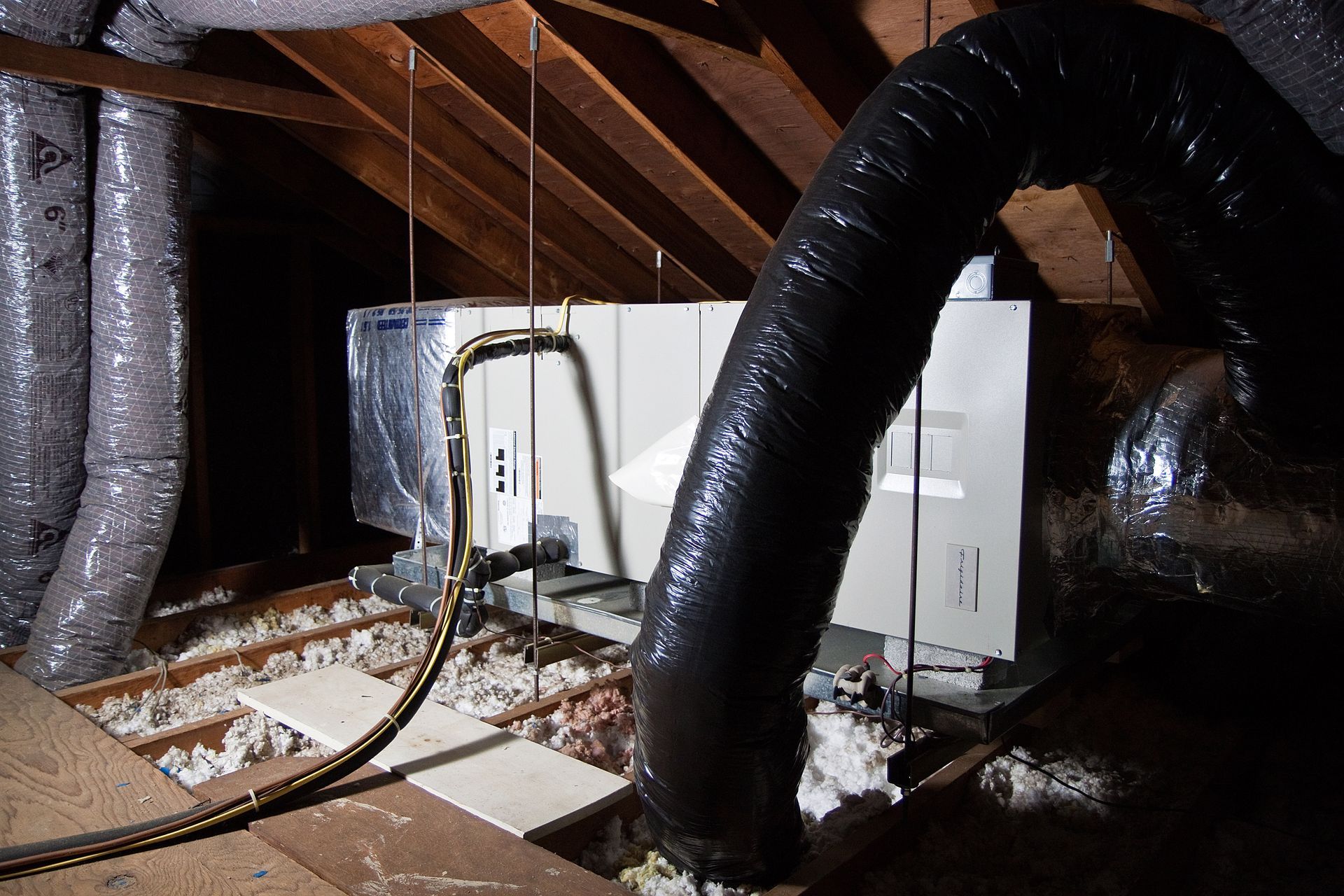
Homes with central air conditioning already have an established approach to whole-home climate control. During warmer months, a central system can provide consistent cooling throughout the house, but homeowners also need to consider how efficiently their homes are heated during the colder months. For households that still rely on heating oil, evaluating the existing heating system can reveal opportunities to reduce energy costs, improve efficiency, and transition toward newer technologies.
According to LLC Buddy, 87% of U.S. households have air conditioning, and central air systems account for about 75% of those installations. While cooling systems have become increasingly common, heating equipment can vary considerably in age and efficiency. For homeowners with central air and an older heating oil system, it may be worth considering whether the heating system still meets their needs.
What Are the Environmental Impacts of Heating Oil?
Heating oil is a petroleum-based fuel, so burning it produces carbon dioxide and other emissions. While modern heating equipment can burn fuel more efficiently than older systems, combustion-based heating still has an environmental impact. The production, transportation, storage, and use of petroleum fuels all contribute to the overall environmental footprint of a heating system.
Older heating oil systems can be particularly concerning because they may consume more fuel to produce the same amount of heat as newer equipment. A furnace or boiler that has been operating for decades may have substantially lower efficiency than modern heating technologies.
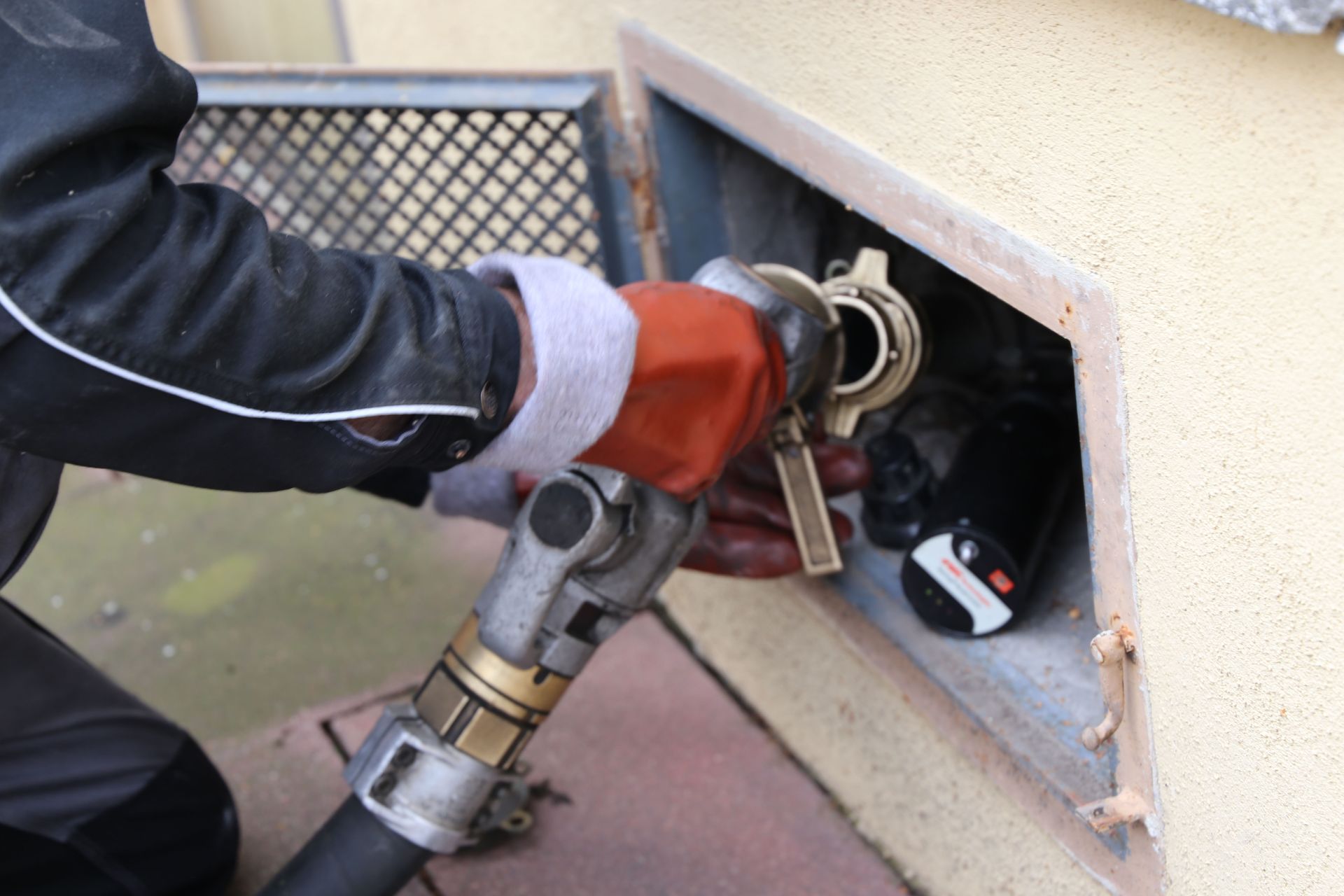
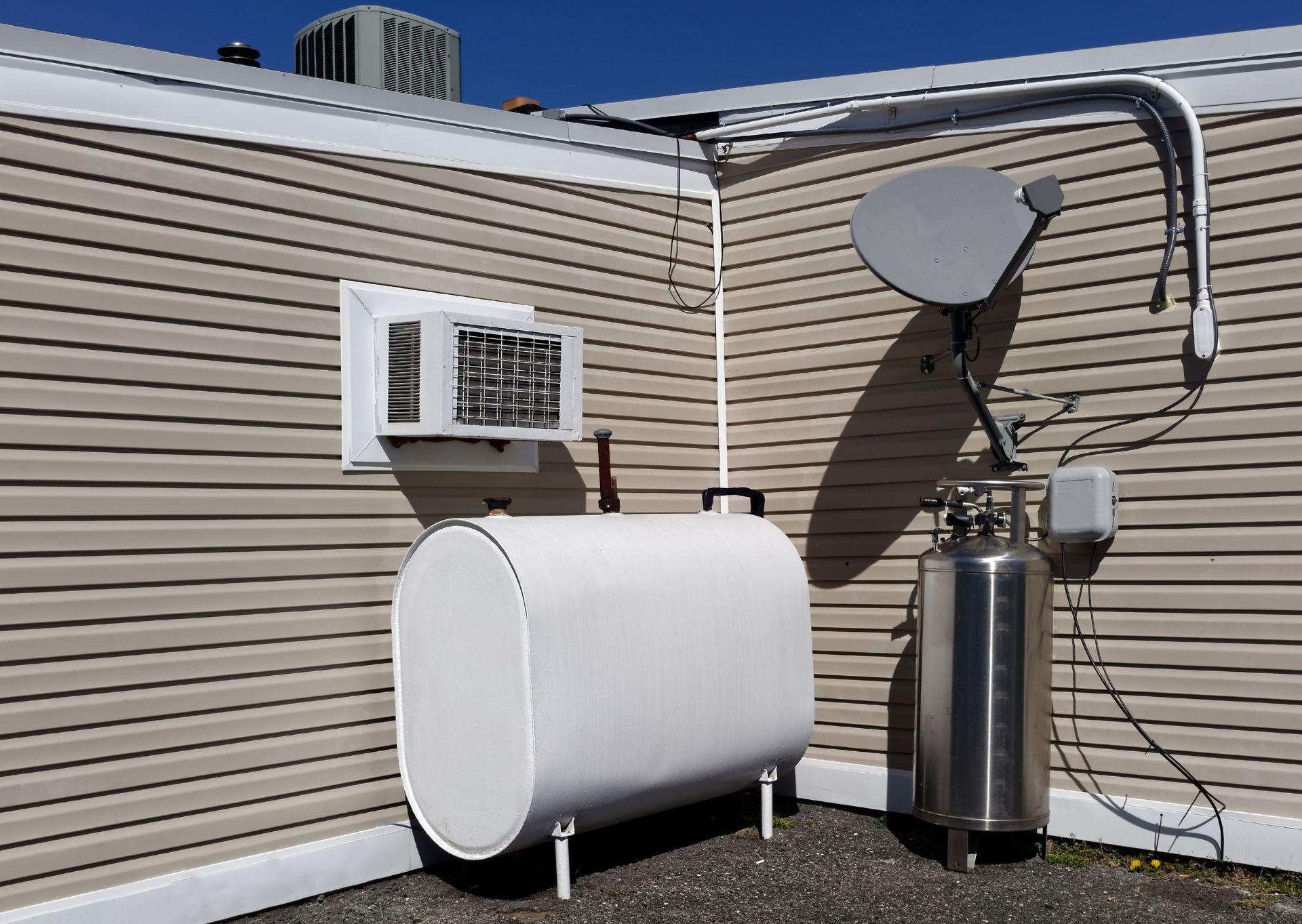
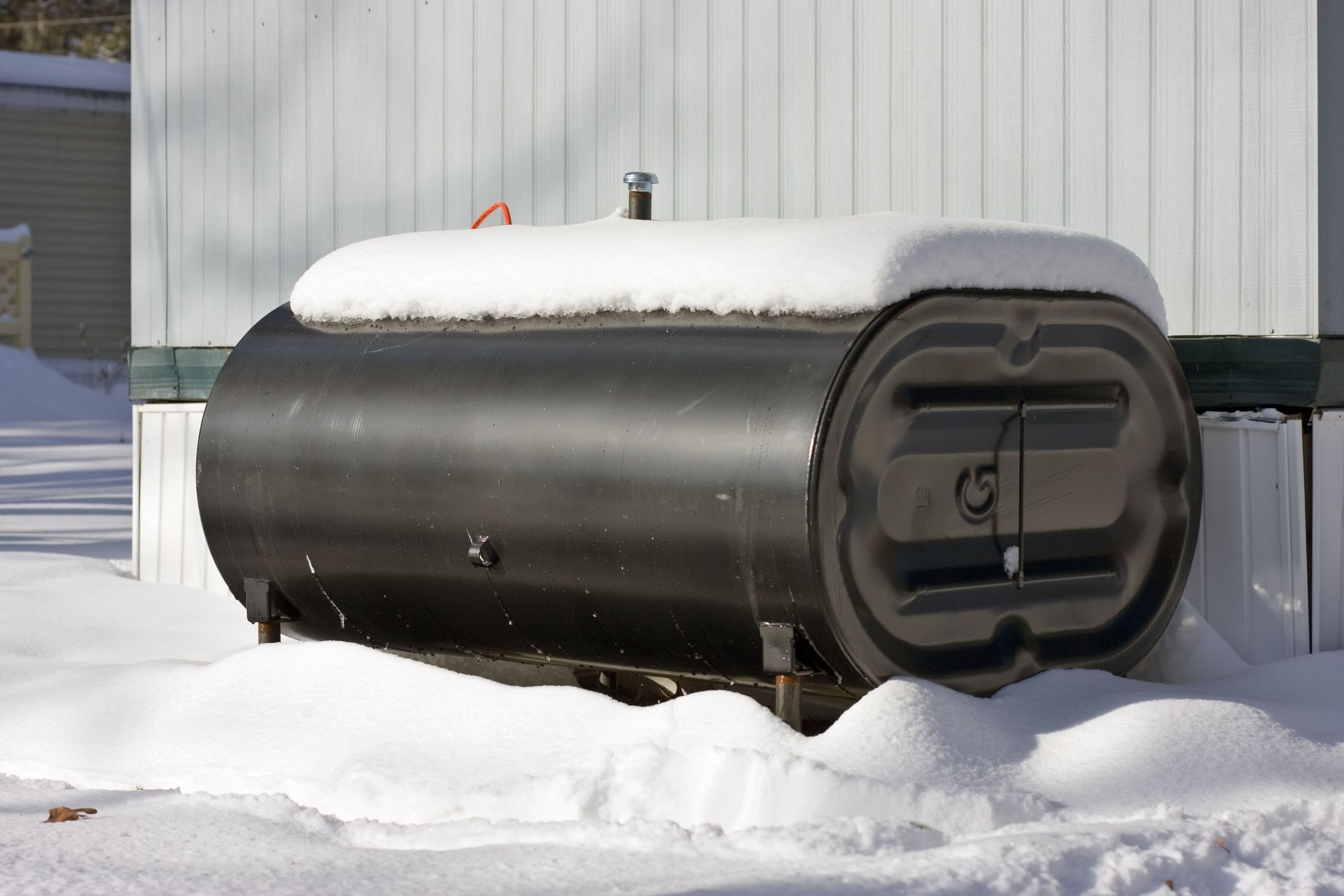
Homeowners should also consider the potential consequences of fuel storage. Heating oil is commonly stored in a tank on or near the property. A deteriorating tank can eventually leak, potentially contaminating soil and creating an expensive cleanup problem. Regular inspections and proper maintenance can reduce this risk, but replacing the fuel system eliminates the need for on-site heating oil storage altogether.
This does not mean every homeowner needs to immediately abandon an existing system. However, environmental considerations can be an important part of deciding whether continuing to use heating oil makes sense over the long term.
How Does the Cost of Heating Oil Compare to Alternatives?
The cost of heating a home depends on more than the price of a particular fuel. Home size, insulation, outdoor temperatures, equipment efficiency, utility rates, and heating habits can all influence annual expenses. As a result, homeowners should compare the total operating costs of their current system rather than simply comparing fuel prices.
Heating oil prices can fluctuate based on crude oil prices, seasonal demand, transportation costs, and regional supply conditions. This variability can make annual heating expenses difficult to predict. Homeowners who purchase fuel periodically may also experience significantly different costs from one heating season to another.
Alternative systems can have different cost structures. Heat pumps, for example, use electricity to move heat rather than generating heat through combustion. Their operating costs depend heavily on local electricity rates and the system's efficiency. In some homes, a heat pump may provide both heating and cooling, potentially allowing homeowners to use one system throughout the year.
That possibility can be especially relevant for homes with central air. Rather than maintaining separate equipment for heating and cooling, homeowners may be able to install a system capable of handling both functions. The economics depend on the existing equipment, local energy prices, climate, and installation costs, so obtaining a professional assessment is important before making a decision.
What Are the Efficiency Levels of Current Heating Oil Systems?
Not every heating oil system is equally inefficient. Newer furnaces and boilers can extract considerably more usable heat from their fuel than older equipment. However, homeowners with aging systems should consider how much energy is being lost during operation.
Efficiency is typically expressed as annual fuel utilization efficiency, or AFUE, for furnaces and boilers. A higher AFUE rating means that a greater percentage of the fuel's energy is converted into usable heat. The remainder is lost, primarily through exhaust and other inefficiencies.
Equipment age can therefore be an important consideration. A system that has operated reliably for years may still require substantially more fuel than newer equipment to maintain the same indoor temperature. Frequent repairs can further increase the overall cost of keeping an older system running.
Homeowners do not necessarily need to replace functioning equipment simply because it is old. However, an aging heating oil system approaching the end of its service life presents an opportunity to compare replacement options before an emergency occurs. Planning ahead can provide more time to evaluate equipment, obtain estimates, and consider available incentives.
Are Heating Oil Systems Safe for Modern Homes?
When properly installed and maintained, heating oil systems can provide reliable heat. However, like any combustion-based heating equipment, they require regular maintenance and appropriate safety measures.
A qualified technician should inspect the heating equipment periodically to ensure that burners, heat exchangers, vents, controls, and other components are functioning correctly. Chimneys and flue systems also need attention because combustion gases must be safely vented outside the home.
Fuel storage is another consideration. Tanks can corrode over time, particularly when exposed to moisture or other unfavorable conditions. A leaking tank can create environmental and financial problems in addition to disrupting the home's heating supply.
Carbon monoxide is also a concern with combustion appliances. Although heating oil does not produce carbon monoxide unless it is burned, improperly operating equipment or inadequate venting can allow this dangerous gas to enter a home. Carbon monoxide detectors should be installed and maintained according to safety recommendations.
These considerations do not make heating oil inherently unsafe. Instead, they highlight why homeowners should evaluate the condition of their equipment and storage system rather than assuming that an older installation will remain reliable indefinitely.
How Can Homes Transition From Heating Oil to More Sustainable Options?
Homeowners considering a transition away from heating oil have several potential options. The right choice depends on the home's existing infrastructure, climate, insulation, electrical service, budget, and heating requirements.
Heat pumps are one option because they can provide both heating and cooling. Depending on the home's layout and existing central air equipment, a homeowner may be able to replace or supplement existing systems with heat pump technology. Some systems are designed to operate effectively in cold climates, although their performance and operating costs should be evaluated for the specific property.
Another possibility is a dual-fuel or hybrid system. These arrangements can combine a heat pump with another heating source, allowing the system to use different technologies under different conditions. This can provide homeowners with additional flexibility during particularly cold weather.
Before replacing a heating oil system, homeowners should also evaluate the building itself. Improving insulation, sealing air leaks, and addressing inefficient windows can reduce the amount of heat required to maintain comfortable indoor temperatures. A smaller, more efficient heating system may then be sufficient.
A professional energy assessment can help determine which improvements will have the greatest effect. Homeowners should compare equipment costs, installation requirements, expected operating expenses, maintenance needs, and available rebates or incentives rather than focusing on a single factor.
Why Should You Re-Evaluate Your Home Heating System?
Having central air does not automatically mean a home needs a completely different heating system. However, it does provide an opportunity to think about the house's entire approach to climate control. If the existing heating oil equipment is old, inefficient, expensive to operate, or nearing the end of its service life, homeowners have good reason to investigate alternatives.
Replacing heating oil equipment can involve a significant upfront investment, so the decision should be based on the property's specific circumstances. Comparing efficiency ratings, energy costs, maintenance requirements, and installation expenses can help homeowners understand the long-term implications of each option.
For homeowners with central air, transitioning to a heating and cooling system that can serve the property year-round may also simplify equipment needs. Whether the eventual choice is a modern heating oil system, a heat pump, a hybrid setup, or another technology, evaluating the options before an existing system fails gives homeowners greater control over the decision.
Ultimately, re-evaluating
heating oil is less about replacing equipment simply for the sake of replacement and more about determining whether an existing system remains the most practical fit for the home. If you're in the market for quality fuel, reach out to the team at Corbin Fuel Co Inc today!