September 1, 2026
Winter weather can be incredibly unpredictable, but the warmth and comfort of your home should never be left to chance. When the temperatures start to plummet and the days grow shorter, ensuring your heating system is fully prepared to keep you and your family cozy becomes a top household priority. For many homeowners, a significant part of this seasonal preparation involves actively managing their home heating oil supply. While it might seem as simple as making a quick phone call when the tank gauge starts getting low, a little bit of forethought and planning can save you time, money, and unnecessary stress during the coldest months of the year.
We have spent decades helping our neighbors stay warm through the harshest winter weather. We understand that navigating your home's complex heating needs can sometimes feel overwhelming, especially if you are a new homeowner or transitioning from a different heat source. That is why we believe in proactively educating our customers so they can make the absolute best decisions for their properties, their families, and their budgets. If you are preparing to arrange your next local heating oil delivery, there are several crucial factors to consider to ensure a seamless and efficient experience. Here are five essential things you need to know before the deep freeze sets in.
1. Understand Your Fuel Efficiency
When it comes to heating your residential property, it is important to remember that not all fuels are created equal. Many homeowners are surprised to learn just how efficient, powerful, and robust heating oil can be compared to other common energy sources on the market. Understanding the energy output and overall efficiency of your chosen fuel is an essential first step before you set up your next local heating oil delivery.
Heating capacity and thermal output are measured in British Thermal Units (BTUs). The higher the BTU rating, the more heat a specific amount of fuel can generate. This is precisely where heating oil truly shines as a premier residential energy source. According to This Old House, a gallon of heating oil yields about 137,381 BTUs, while propane delivers around 91,452 BTUs.
This significant difference in energy density means that heating oil produces considerably more heat per gallon than competing fuels. As a result, your furnace or boiler can warm your living spaces much faster and use significantly less fuel to maintain a consistently comfortable temperature. Understanding this high BTU output helps you better anticipate your seasonal fuel consumption and appreciate the long-term value and cost-effectiveness of your heating system.
2. Check Your Tank Capacity
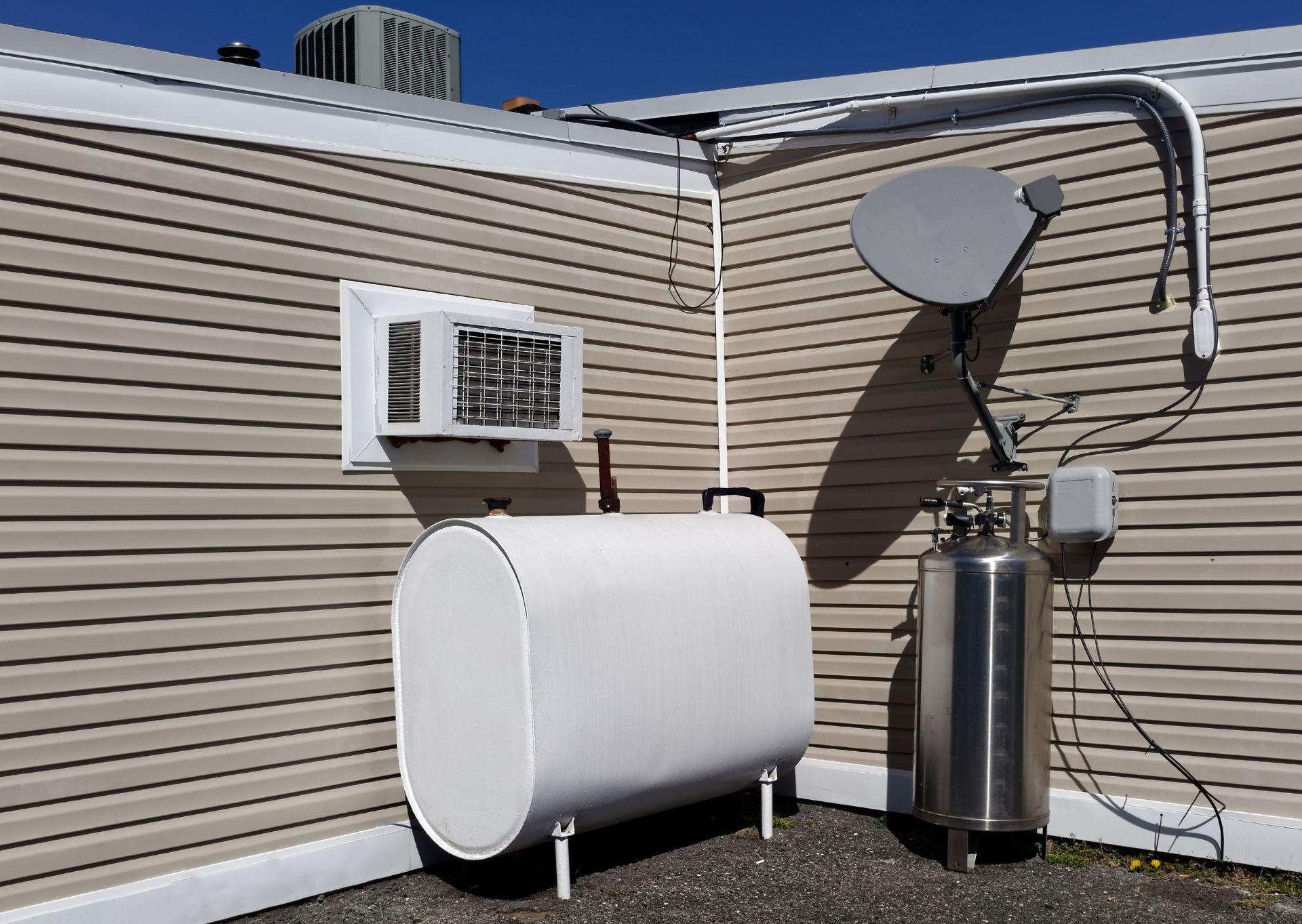
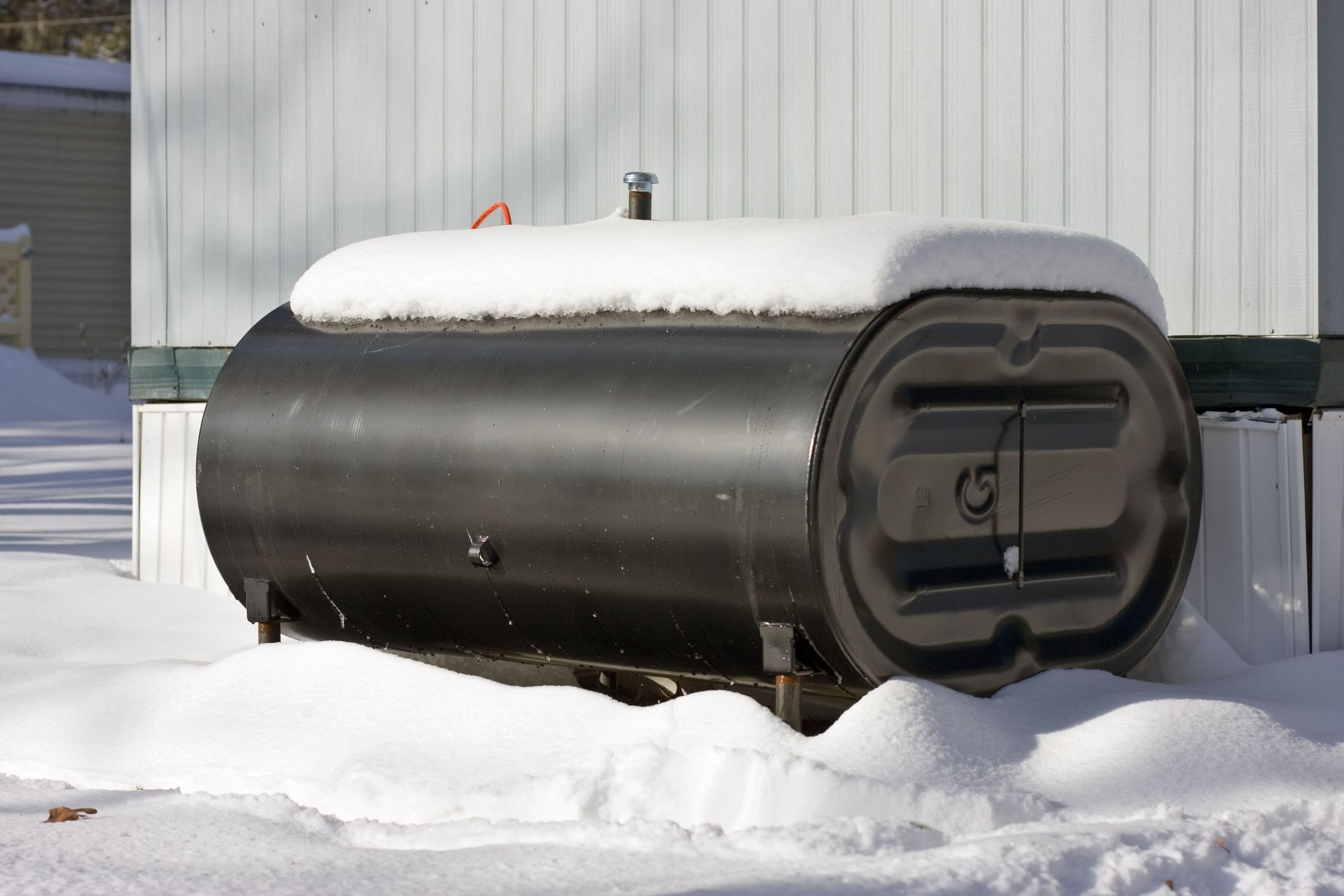
One of the most common and costly mistakes homeowners make during the winter is waiting too long to check their current fuel levels. Before you pick up the phone or go online to request a local heating oil delivery, you must know exactly how much oil your specific tank can hold and roughly how much is currently left inside.
In our experience, most standard residential heating oil tanks have a total capacity of 275 gallons. However, a 275-gallon tank never actually holds 275 gallons of fuel. For safety reasons and to allow room for the oil to properly expand, these tanks are typically only filled to about 225 or 250 gallons. Knowing your actual usable capacity will prevent you from over-ordering or miscalculating your household's winter budget.
Furthermore, you should familiarize yourself with how to accurately read your tank's gauge. The golden rule of heating oil maintenance is to never let your tank drop below the one-quarter mark. Allowing your tank to run completely dry is not just an inconvenience; it can cause heavy sludge and debris from the bottom of the tank to get sucked directly into your fuel lines. This can severely clog your system's filters, damage your furnace, and require a professional technician to bleed the fuel lines before the heat can be restored.
3. Choose Your Delivery Schedule
When it comes to receiving your essential winter fuel, you generally have two primary service options to choose from: "will-call" delivery and automatic delivery. Understanding the fundamental differences between these two operational models is a pivotal step in managing your local heating oil delivery effectively.
Will-call delivery means that you, the homeowner, are entirely responsible for actively monitoring your tank's fuel gauge and contacting your supplier whenever you need a refill. While this option gives you direct control over exactly when you purchase your fuel and how much you buy at a given time, it also comes with the heavy risk of forgetting to check your tank and potentially running out of oil during a dangerous cold snap.
Automatic delivery, on the other hand, provides ultimate peace of mind. Companies use advanced software and complex "degree-day" calculations to track the daily weather patterns alongside your home's historical fuel usage. This allows us to accurately predict exactly when your tank will reach that critical one-quarter mark and automatically dispatch a truck to your home before you ever run low. Choosing the right schedule depends on your lifestyle, but automatic delivery is widely considered the safest and most convenient option.
4. Prepare Your Property Access
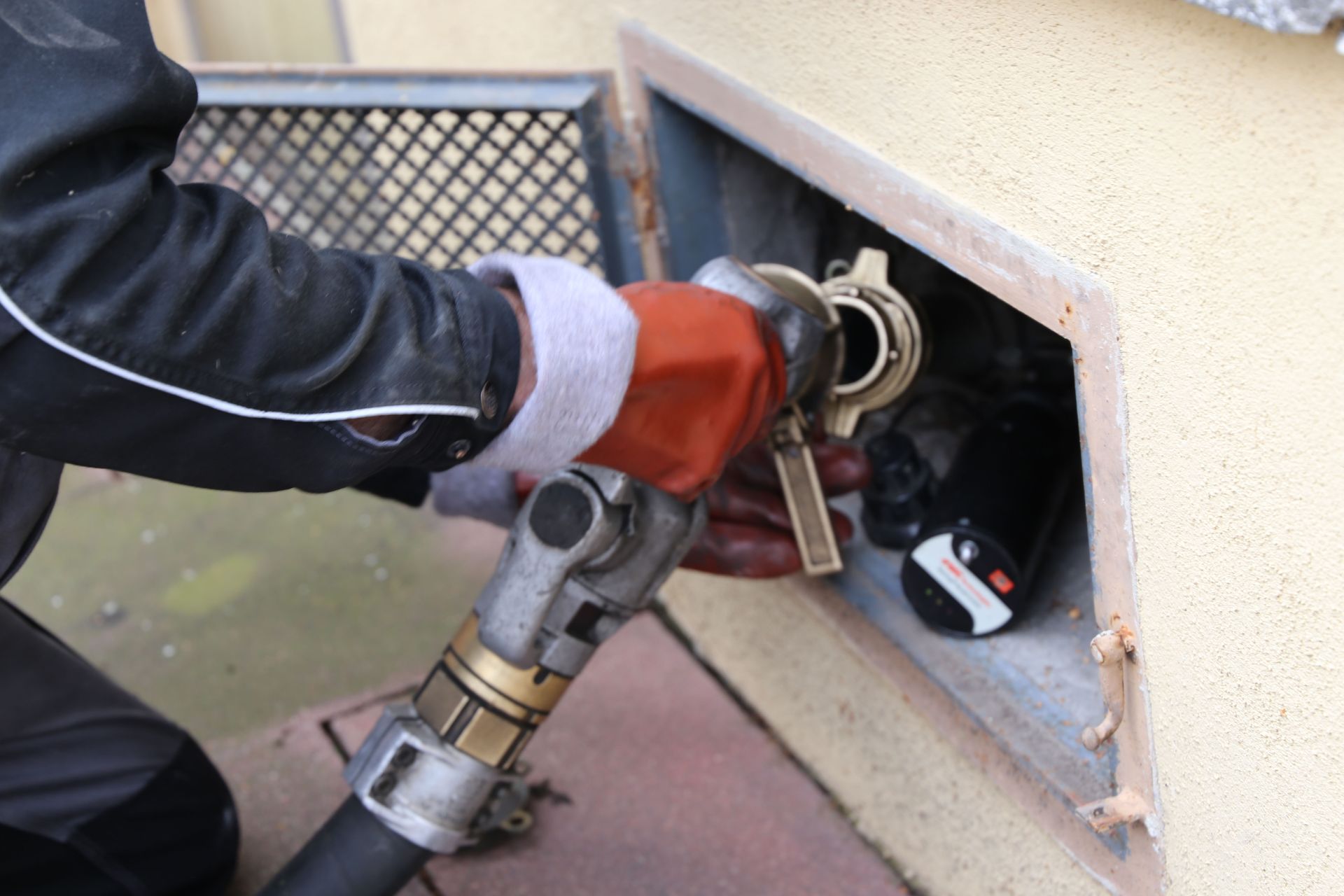
A smooth and efficient fuel delivery relies heavily on the driver being able to safely access your property and your tank's fill pipe. Winter weather can create a host of hazardous obstacles, so preparing your home's exterior is an absolute must. To facilitate a seamless local heating oil delivery, always ensure that your property is thoroughly prepped before the delivery truck arrives in your neighborhood.
First and foremost, you must clear a safe, wide path through any snow or ice from your driveway directly to the location of the fill pipe. Delivery drivers are often dragging heavy, cumbersome hoses through freezing conditions, and navigating over slippery snowbanks or hidden ice patches poses a severe slip-and-fall hazard. Additionally, if your fill pipe is located behind a fence, make sure the gate is unlocked and functioning properly on the morning of your scheduled service.
It is also incredibly important to keep all household pets safely secured indoors during the delivery process. Even the friendliest dogs can become easily spooked by the loud noises of the truck or unexpectedly trip a driver who is carrying heavy equipment. By taking just a few minutes to clear a path, unlock gates, mark the fill pipe clearly if it is buried in deep snow, and secure your pets, you ensure the safety of the driver and guarantee that your delivery is completed without any unnecessary delays.
5. Select Your Service Provider
Finally, the most important decision you will make regarding your winter heating strategy is choosing who will actually supply your fuel. The market is filled with various discount suppliers and large national conglomerates, but partnering with a reputable, community-focused company for your local heating oil delivery gives you distinct advantages that simply cannot be matched by impersonal corporations.
Reputable local providers often offer comprehensive service plans, highly trained maintenance technicians, and flexible budget payment programs that discount suppliers typically do not provide. Establishing a strong relationship with a full-service, trusted local provider ensures that if your furnace ever breaks down in the middle of a freezing January night, you already have a reliable team of experts ready to answer your call and restore your heat promptly.
Don't wait until the first major blizzard is already in the forecast to start thinking about your fuel supply. Contact Corbin Fuel Co Inc today to learn more about our automated delivery options, our comprehensive service plans, and how we can help keep your home exceptionally warm, safe, and comfortable all winter long.